
Hairy Potter and the Half-Bonded Slab
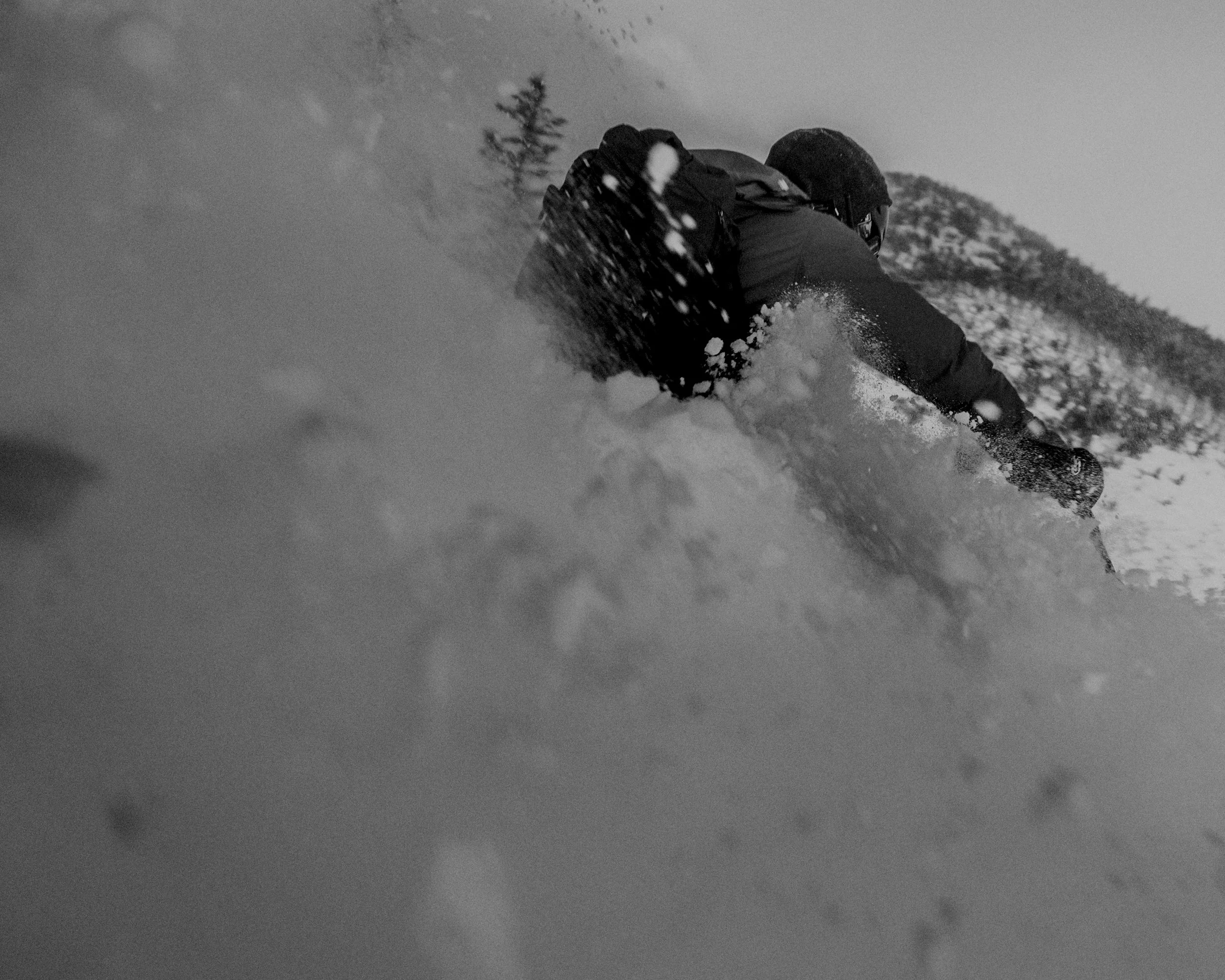
Simon Bantugan keeping it low-angle and high-stoke in the 62 inches of fresh snow at last year’s Cuchara visit.
Photo: @reilly_kaczmarek
Storm Slab
This is how February avalanche accidents so often begin: not with a single bad decision, but with a month-long setup that quietly locks into place. Persistent weak layers formed during January’s long dry spells don’t magically heal once it finally starts snowing. They linger, unchanged, waiting beneath the surface. February storms arrive with enthusiasm, stacking storm slab after storm slab on top of that fragile foundation. The skiing improves. Tracks fill in quickly. The snowpack grows quieter and more confidence-inspiring. But underneath, the structure hasn’t improved, it's simply been buried deeper, out of sight and easier to forget.
When you zoom out and look at avalanche accident data over the past 15 years, these patterns repeat with uncomfortable consistency. Presidents’ Day week shows up again and again, not because people suddenly ski worse or forget what they know, but because February reliably combines three dangerous ingredients: persistent weak layers from January, rapid loading from mid-winter storms, and a surge of people eager to get out during holidays. The terrain often looks filled in and friendly, the consequences feel farther away, and yet the snowpack can still behave like a house built on rotten floor joists: solid until it suddenly isn’t.
Once you start to recognize this pattern, you can see it unfolding in real time. As storms continue to pile up through February, the important question isn’t just how good the skiing feels, but what’s still lurking underneath the new snow. If persistent weak layers remain part of the equation (and right now, they are) terrain choice matters more than ever. Dialing things back doesn’t mean giving up good skiing; it means choosing lines that let you stack days instead of roll dice. Make the conservative call now so you’re around to enjoy the long-awaited gift of spring stability, when the snowpack finally starts meaning what it says.
Knowledge Test
What is a storm slab?
A storm slab is a cohesive layer of newly fallen snow that forms during or shortly after a storm and sits on top of a weaker layer in the snowpack. That weaker layer might be old snow, low-density new snow, graupel, or a density change within the storm itself. As snow stacks up quickly, it can bond well within the slab but poorly to what’s underneath it. The result? A fresh, connected slab that’s just waiting for a reason to move downhill.
Storm slabs are most commonly triggered during active snowfall or shortly after the storm ends, when the snowpack hasn’t had time to adjust to the rapid load. Unlike persistent weak layers, storm slabs are very much a “what have you done for me lately?” problem: they’re tied directly to recent weather and snowfall rates.
Learn more:
Storm Slab – Avalanche.org
Storm Slab – Colorado Avalanche Information Center
Why is storm slab dangerous?
Storm slabs are dangerous because they form fast, spread wide, and tend to fail when you’re feeling optimistic. Rapid snowfall, especially when combined with wind or increasing snowfall intensity, can overload weak layers before they have time to strengthen. This makes human-triggered avalanches likely, even on slopes that felt stable earlier in the day.
Another hazard is their sensitivity. Storm slabs often fail with relatively small triggers, including a single skier or rider. They can also propagate across large areas, meaning a small mistake can have big consequences. Add poor visibility, rising stoke, and that classic “it’ll probably be fine” mindset during storms, and you’ve got a recipe for trouble.
Learn more:
Storm Slab – Avalanche.org
Storm Slab – Colorado Avalanche Information Center
How long is storm slab dangerous?
Storm slabs are generally a short-lived problem, but “short-lived” doesn’t mean “harmless.” They are most dangerous during the storm and for 24-72 hours afterward, depending on snowfall amounts, temperatures, and how quickly the new snow bonds to the old surface. Stability can improve relatively quickly once snowfall slows, temperatures cool, and the snowpack has time to settle.
That said, if storms come in waves (or refuse to take a day off), storm slab problems can linger longer than expected. Continued loading resets the clock, keeping conditions unstable even several days after the first flakes fell.
Learn more:
Storm Slab – Avalanche.org
Storm Slab – Colorado Avalanche Information Center
How does your decision-making change in the backcountry with a storm slab problem?
When storm slabs are the primary concern, timing and terrain choice become everything. Avoid steep slopes during periods of active snowfall or rapid loading, especially those steeper than 30 degrees. Favor lower-angle terrain, well-supported slopes, and areas where consequences are minimal if something does move.
Pay close attention to red flags: cracking, collapsing, recent avalanches, and rapidly increasing snowfall rates. Storm slabs often provide clear (and loud) feedback — if the snowpack is yelling at you, it’s not being dramatic. This is also a good time to dial back objectives, keep group exposure low, and make conservative decisions early rather than trying to “feel it out” on bigger terrain.
In short: storm slab days are great days for meadow skipping, tree skiing, and practicing patience. The big lines will still be there after the snowpack calms down.
Learn more:
Storm Slab – Avalanche.org
Storm Slab – Colorado Avalanche Information Center
